






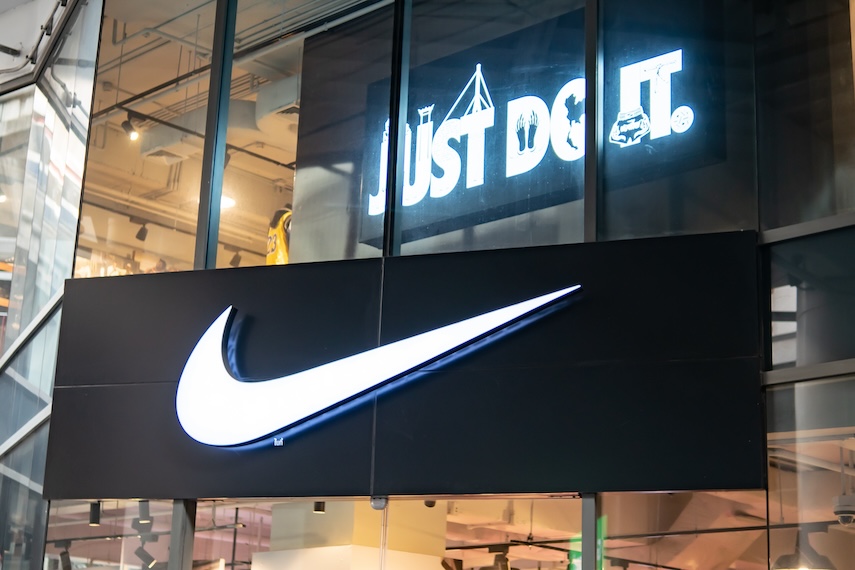
According to BBC News last week, the UK Advertising Standards Authority (ASA) banned advertisements from Nike, Superdry and Lacoste
“over the use of the word “sustainable” in paid-for Google ads which were not backed up by evidence of their sustainability. The Advertising Standards Authority (ASA) identified three adverts from the retailers promising customers ‘sustainable materials’, ‘sustainable style’ and ‘sustainable clothing’.
The UK’s advertising code states that the basis of claims about environmental sustainability must be clear and ‘supported by a high level of substantiation’.”
Nike defended their use of the words “sustainable materials” by claiming those were
“intended to highlight that other products available on its site incorporated recycled materials. But the ASA ruled Nike had failed to include qualifying details and had not explained the basis of its claim about the ‘sustainability’ of its products.”
Similarly, Superdry hyped
“a ‘wardrobe that combines style and sustainability’, which it argued customers would understand to mean its clothes were either stylish, sustainable or both. The retailer argued it did not suggest all Superdry products were sustainable. But the ASA said its green claims were ‘ambiguous and unclear’ and would lead customers to believe all Superdry products were sustainable.”
Finally, Lacoste marketed
“its kids’ range as ‘sustainable clothing’ and told the ASA it had worked for years to reduce the carbon footprint of its products. But the watchdog said that while there had been a reduction in the environmental impact of the products in its kids’ range, it had not offered evidence that its clothing would have ‘no detrimental effect on the environment’.”
Here in the US, the FTC Green Guides haven’t gone anywhere since the most recent revision in 2012 (yes, you read that right), but it isn’t prudent to ignore the regulatory/enforcement risk that can come with marketing sustainability attributes. Members have access to our Guidebook Using the FTC’s Green Guides for Marketing that provides helpful guidance and insights for staying on the right side of the line.
Interested in a full membership with access to the complete range of benefits and resources? Sign up now and take advantage of our no-risk “100-Day Promise” – during the first 100 days as an activated member, you may cancel for any reason and receive a full refund. But it will probably pay for itself before then. Members also save hours of research and reading time each week by using our filtered and curated library of ESG/sustainability resources covering over 100 sustainability subject areas – updated daily with practical and credible information compiled without the use of AI.
Practical Guidance for Companies, Curated for Clarity.
Photo credit: wachiwit – stock.adobe.com