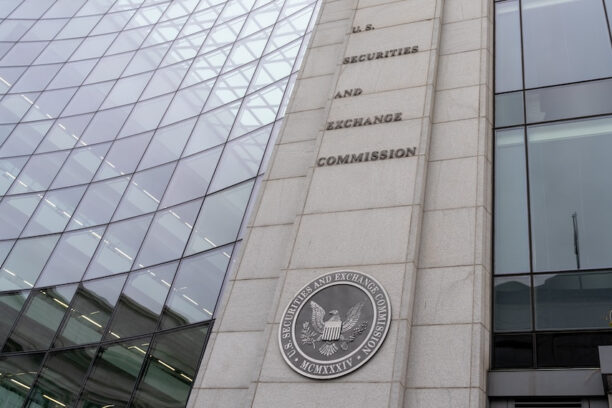






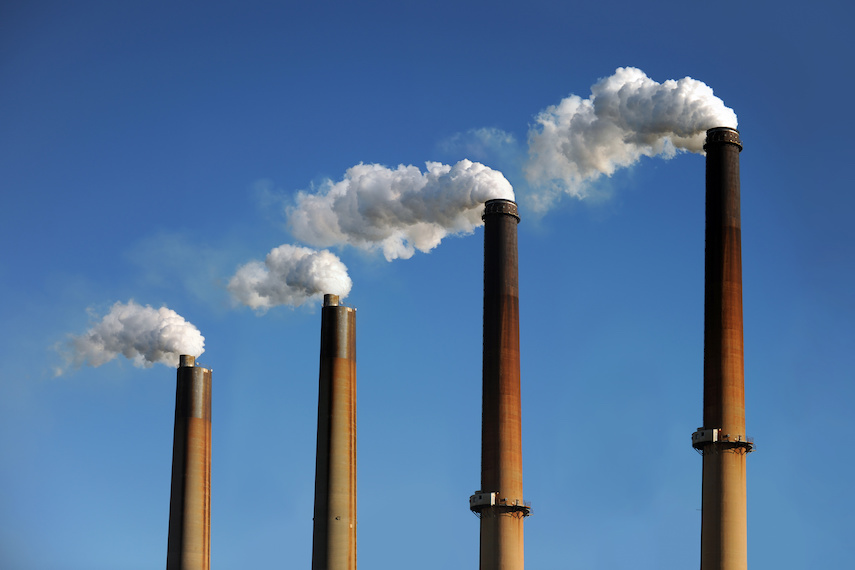
Last March, I wrote about the administration’s plan to revoke the EPA’s endangerment finding for GHG emissions. Those plans are nearing completion as the public comment period for the new proposed rules has ended. Now the proposed rule is in the hands of the Office of Management and Budget for review before final publication, which is expected in late January or early February. A recent ArentFox memo provides details on how the reversal could impact US policy:
“The 2009 Endangerment Finding — EPA’s foundational determination that GHGs “threaten the public health and welfare” — underpins EPA’s broader authority to regulate GHGs and has served as the legal cornerstone for EPA’s GHG regulatory architecture since 2009. Although EPA’s current efforts to repeal the 2009 Endangerment Finding are most directly tied to the motor vehicle program, recission could have implications extending to other regulated industries, such as power plants.”
The EPA’s statutory authority to regulate GHG emissions has been hotly contested over the years. West Virginia v. EPA found that the agency did not have broad statutory authority to implement a cap and trade scheme. However, the EPA’s endangerment finding has served as the legal backbone for the regulatory powers the EPA holds over carbon emitters. Without that in place, it’s unclear what, if any, role the EPA will play in GHG regulation. This is why the final rule is expected to be heavily litigated once published. We’ll be following those legal challenges as they play out and providing updates.
Our members can learn more about GHG regulation here.
Members also save hours of research and reading time each week by using our filtered and curated library of ESG/sustainability resources covering over 100 sustainability subject areas – updated daily with practical and credible information compiled without the use of AI.
If you’re not already a member, sign up now and take advantage of our no-risk “100-Day Promise” – during the first 100 days as an activated member, you may cancel for any reason and receive a full refund. But it will probably pay for itself before then.
Practical Guidance for Companies, Curated for Clarity.