





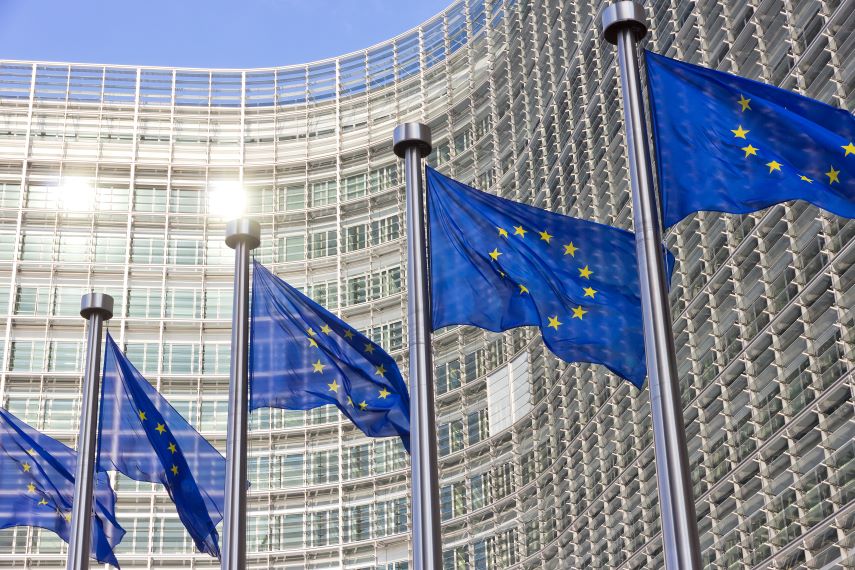
The European Council and Parliament voted Tuesday to amend the EU’s climate law and set a legally binding GHG reduction target of 90% of 1990 levels by 2040. The amended law allows EU member states greater flexibility in meeting emissions reduction goals. Most notably by allowing 5% of reductions to consist of foreign carbon credits. However, there are limitations around how these credits can be obtained and what industries they can be applied to. ESG News reports on these limitations, stating:
“A key change introduces limited flexibility for member states through the use of international carbon credits. From 2036, up to five percentage points of net emissions reductions can be achieved through high quality credits sourced from partner countries. This allowance is two percentage points higher than the European Commission’s initial proposal. However, lawmakers imposed strict conditions designed to preserve environmental integrity and avoid political backlash. Credits may only be used in sectors that fall outside the EU emissions trading system and must originate from countries whose climate policies align with the Paris Agreement. Safeguards were also added to prevent funding projects that could conflict with EU strategic interests.”
The Union’s climate targets will have knock-on effects for businesses operating in the EU. It will also impact ETS pricing. Additionally, the vote saw the highly anticipated expansion of the ETS postponed a year. This means that CO2 emissions from fuel combustion in buildings and road transportation will not be in scope until 2028.
Our members can learn more about carbon management policy here.
If you’re not already a member, sign up now and take advantage of our no-risk “100-Day Promise” – during the first 100 days as an activated member, you may cancel for any reason and receive a full refund. But it will probably pay for itself before then. Members also save hours of research and reading time each week by using our filtered and curated library of ESG/sustainability resources covering over 100 sustainability subject areas – updated daily with practical and credible information compiled without the use of AI.
Practical Guidance for Companies, Curated for Clarity.