






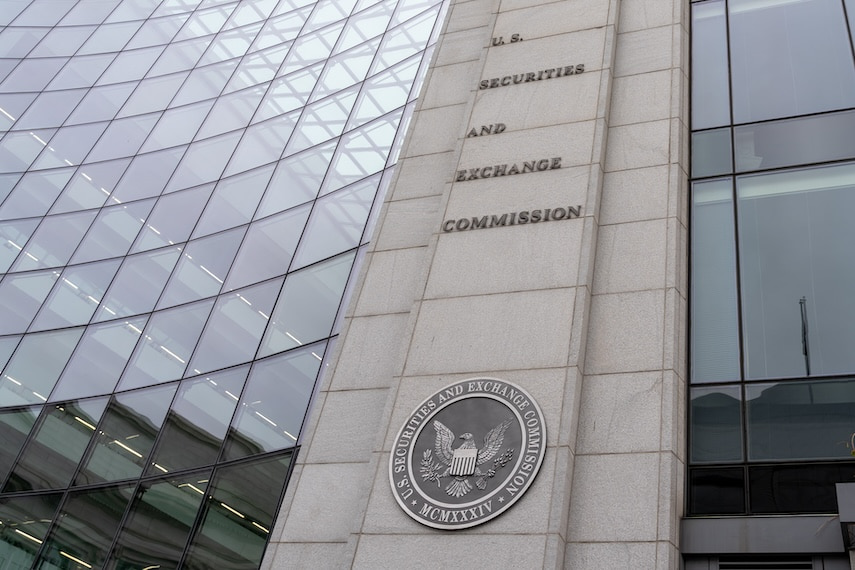
Last November, the SEC announced that it would allow companies to exclude precatory shareholder proposals as a matter of course. Now, two investor groups known for shareholder advocacy are suing the SEC. Interfaith Center on Corporate Responsibility and As You Sow argue that this change in policy violates the Administrative Procedures Act (APA). They allege that the no-objection policy is not in accordance with the law. The complaint states:
“The APA requires a reviewing court to set aside agency action that is ‘not in accordance with law…’ The No-Objection Policy deviates from Rule 14a-8 in several ways, and it is therefore contrary to law… First, the No-Objection Policy is inconsistent with the burden of persuasion established by Rule 14a-8. Because the company bears the burden of persuasion to establish that it may exclude a proposal, if the evidence supporting and negating the invoked basis for excluding the proposal ‘is evenly balanced,’ the company ‘must lose…’
The No-Objection Policy derogates from that standard. Under the new No-Objection Policy, a company will receive a no-objection letter ‘based solely on the company’s or counsel’s representation’ that it has a reasonable basis to exclude the proposal. Thus, a company can obtain a no-objection letter without bearing the burden of persuading the SEC that it can properly exclude the proposal, even if the arguments and evidence favor the proponent.”
Plaintiffs also contend that the policy violates the APA by being arbitrary and capricious. Additionally, they assert that the no-objection policy is tantamount to an administrative rule-making that failed to follow the notice and comment period or commission vote. If the lawsuit is successful, we’ll likely see the SEC pursue this policy through an official rule-making.
Our members can learn more about ESG litigation here.
If you’re not already a member, sign up now and take advantage of our no-risk “100-Day Promise” – during the first 100 days as an activated member, you may cancel for any reason and receive a full refund. But it will probably pay for itself before then. Members also save hours of research and reading time each week by using our filtered and curated library of ESG/sustainability resources covering over 100 sustainability subject areas – updated daily with practical and credible information.
Practical Guidance for Companies, Curated for Clarity.
Image credit: JHVEPhoto – stock.adobe.com