






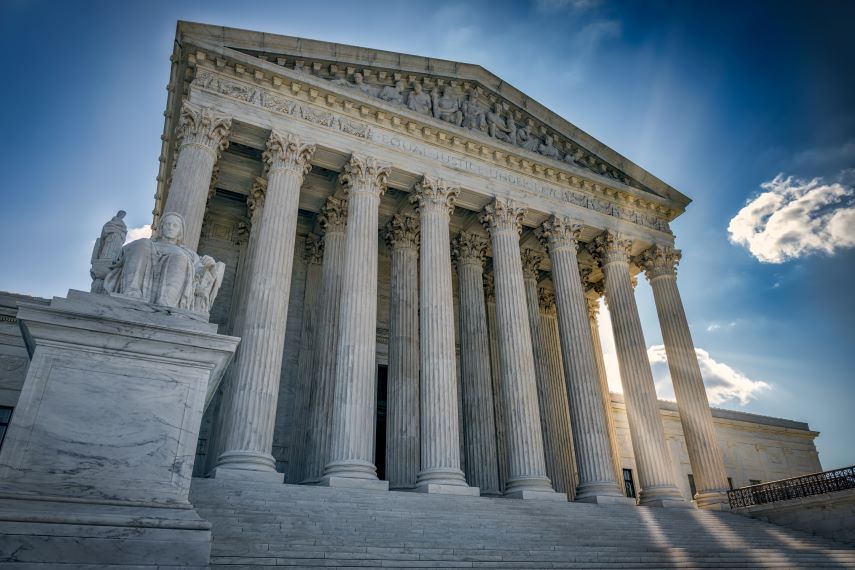
Back in 2024, I wrote about a 9th Circuit decision allowing Cisco Systems to be sued in the United States for allegedly aiding and abetting human rights violations in China. Late last month, the Supreme Court reversed the 9th Circuit in a 6-3 decision. The Court ruled that plaintiffs cannot create a cause of action under the Alien Torts Statute (ATS) and that there is no statutory authority under the Torture Victim Protection Act (TVPA) allowing an aiding and abetting cause of action. Ultimately, this leaves some victims of human rights abuses without recourse, a fact acknowledged in the Opinion:
“We recognize, as does the dissent, post, at 23–24, that ATS and TVPA cases frequently involve heinous and inhumane acts. The political branches or other international actors may well provide redress. But we decline to distort the statutory text or the Constitution’s allocation of powers to enlist U. S. courts in that project”
The majority’s Opinion does not address the basis of the Plaintiffs’ claims. Instead, it declines to extend legal protections to persons outside the United States, except in limited instances covered by the ATS and TVPA. After 16 years of litigation, Cisco Systems now forms an important entry into international human rights law in the United States. However, while the plaintiffs in Cisco Systems may not get their day in court, human rights due diligence is still paramount. New legislation is taking shape both nationally and abroad. While the courts might take a hands-off approach, compliance regimes like the UFLPA create supply chain tracing and human rights obligations.
Our members can learn more about supply chain management here.
If you’re not already a member, sign up now and take advantage of our no-risk “100-Day Promise” – during the first 100 days as an activated member, you may cancel for any reason and receive a full refund. But it will probably pay for itself before then. Members also save hours of research and reading time each week by using our filtered and curated library of ESG/sustainability resources covering over 100 sustainability subject areas – updated daily with practical and credible information.
Practical Guidance for Companies, Curated for Clarity.