






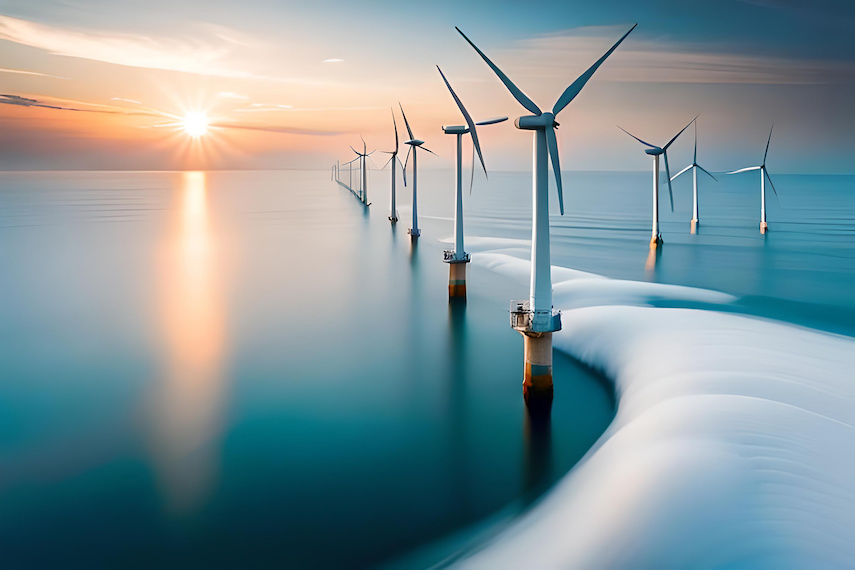
Wind energy has been a major focus of the current administration, and not in a good way. The White House has a grudge against wind energy dating back to the President’s first term. I’m sure we all remember the “windmill cancer” bit dominating the news cycle for a brief stint in 2019.
In his second term, the President moved beyond talk. The White House is directing federal agencies to actively block wind development, particularly offshore wind farms in the Northeast. This resulted in lawsuits, and at least one deal for Total Energies, which pledged to switch to fossil fuel investments. Now 19 states are seeking to intervene in the ongoing litigation, hoping to clear the way for wind development to continue. In their Motion to Intervene, the states write:
“The Wind Freeze interferes with and harms the States’ sovereign interests in exercising this authority, as well as enforcing and complying with their own energy laws and policies. DoD’s Wind Freeze is driving up the cost of electricity for States and their residents, threatening grid capacity, and impeding the States’ efforts to reduce emissions from fossil fuel-fired power plants, all of which negatively affect the physical and economic well-being of the States and their residents.”
With states entering the fray, the federal government must contend with additional constitutional issues in defending the wind energy freeze. Additionally, this freeze is likely to contribute to the optics surrounding the current energy crisis. With the Iran war and data centers driving up the cost of electricity, the court of public opinion may not look kindly on policy that prevents the production of abundant, cheap energy.
Our members can learn more about sustainability litigation here.
If you’re not already a member, sign up now and take advantage of our no-risk “100-Day Promise” – during the first 100 days as an activated member, you may cancel for any reason and receive a full refund. But it will probably pay for itself before then. Members also save hours of research and reading time each week by using our filtered and curated library of ESG/sustainability resources covering over 100 sustainability subject areas – updated daily with practical and credible information.
Practical Guidance for Companies, Curated for Clarity.