






Climate pacts are a common target for anti-ESG litigation. Various state attorneys general in Texas, Florida, West Virginia, and elsewhere have alleged that climate pacts violate antitrust law. These cases have targeted the Net Zero Asset Managers (NZAM), the Net-Zero Asset Owner Alliance (NZAOM), and Climate Action 100+ among others.
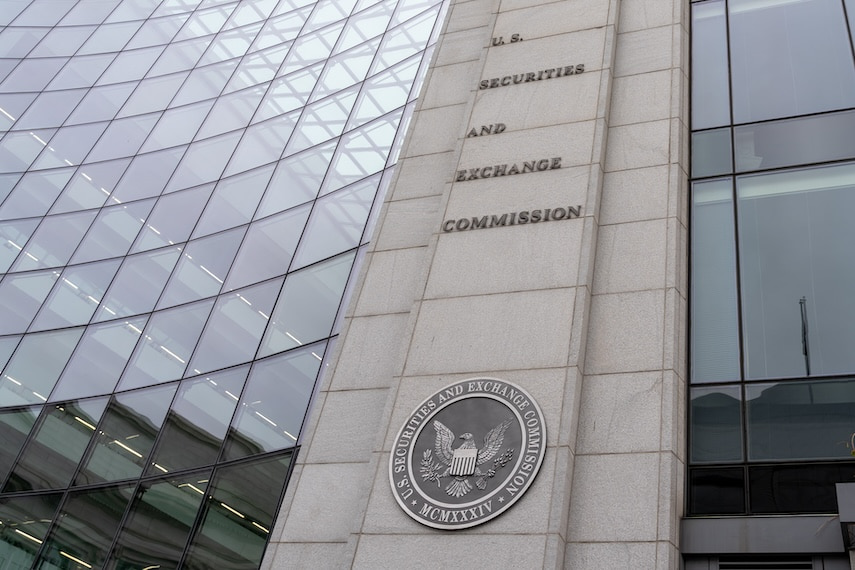
Climate Action 100+ drew particular scrutiny for its role in the 2021 Exxon Mobil proxy contest. That contest saw substantial momentum for ESG as Engine No. 1 advanced and won three independent board seats at ExxonMobil. This served as an inciting incident for anti-ESG and the pushback that would come from red states. After the 2024 Presidential election, the SEC sought to take these antitrust investigations to the federal level. However, after investigating Climate Action 100+, the agency is choosing not to pursue further legal action. Writing in a recent report:
“The Commission has determined not to pursue an enforcement action based on the conduct and activities known to the Commission at this time, but has serious concerns about the conduct of CA100 members and other participants in these activities as described herein. The Commission in its discretion has determined to issue this report of investigation (“Report”) pursuant to Section 21(a) of the Exchange Act1 to inform those asset managers and investors who would join, or would consider joining, an organization2 such as CA100 to take appropriate steps to ensure compliance with the Exchange Act. “
Despite dropping the investigation, the report warns companies that any future work with climate pacts may violate antitrust law. Despite their posturing, the SEC may have seen the futility in their investigation. Multiple analyses from legal experts have dismissed the seriousness and long-term legal viability of these cases.
While this may seem like a win for ESG, the truth is that anti-ESG didn’t need a federal case to stop climate pacts. After a myriad of state investigations and legal actions, climate pacts hemorrhaged membership. What once seemed like a monumental win in the Exxon proxy battle proved nothing but a blip on the radar. ESG ultimately grew in a different direction, and going after Climate Action 100+ now would likely prove a waste of the SEC’s resources.
Our members can learn more about Anti-ESG here.