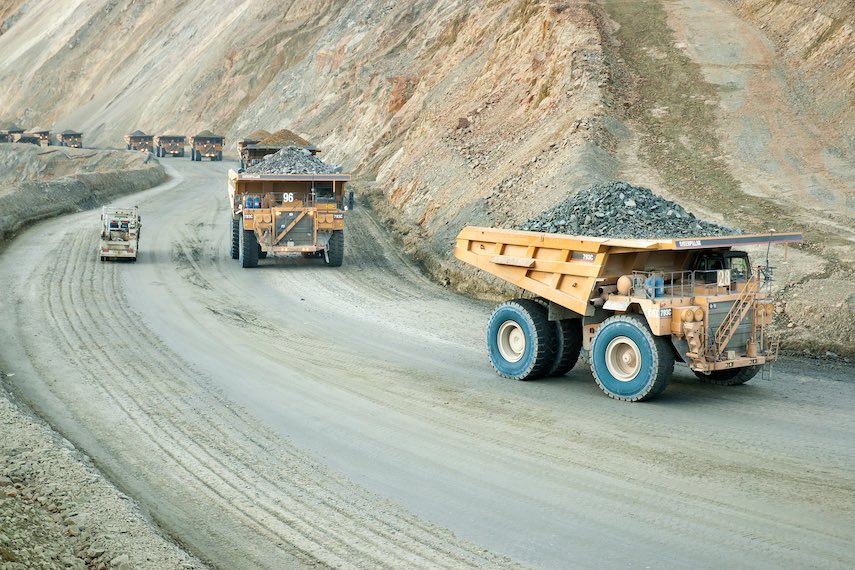
American-British mining company Rio Tinto has agreed to pay $250 million to help remedy environmental harms caused by an abandoned mine in New Guinea. The company faced complaints from local communities brought through the Human Rights Law Centre and opted to voluntarily contribute to a remediation fund. Rio Tinto states in a press release:
“Rio Tinto, Bougainville Copper Limited (BCL) and the Autonomous Bougainville Government (ABG) have agreed with community leaders to establish a fund to support responses to impacts identified through the Panguna Mine Legacy Impact Assessment (PMLIA).
As part of this collective effort, Rio Tinto will commit US$250 million1 over the coming years as its voluntary contribution to the fund. Detailed remedy priorities and scope will be developed in consultation with communities, with resulting activities to be aligned with the United Nations Guiding Principles on Business and Human Rights (UNGPs).”
This is a great example of how past environmental harms can pose a risk to modern companies. Just because the harm originated from historical actions doesn’t mean companies aren’t responsible for remediating them. Additionally, these historical risks can manifest in supply chains, further complicating restoration efforts.
Our members can learn more about supply chain management here.