




CCRcorp Sites  

The CCRcorp Network unlocks access to a world of insights, research, guides and information in a range of specialty areas.

Our Sites

TheCorporateCounsel

TheCorporateCounsel.net

A basis for research and practical guidance focusing on federal securities laws, compliance & corporate governance.

DealLawyers

DealLawyers.com

An educational service that provides practical guidance on legal issues involving public and private mergers & acquisitions, joint ventures, private equity – and much more.

CompensationStandards

CompensationStandards.com

The “one stop” resource for information about responsible executive compensation practices & disclosure.

Section16.net

Section16.net

Widely recognized as the premier online research platform providing practical guidance on issues involving Section 16 of the Securities Exchange Act of 1934 and all of its related rules.

PracticalESG

PracticalESG.com

Keeping you in-the-know on environmental, social and governance developments

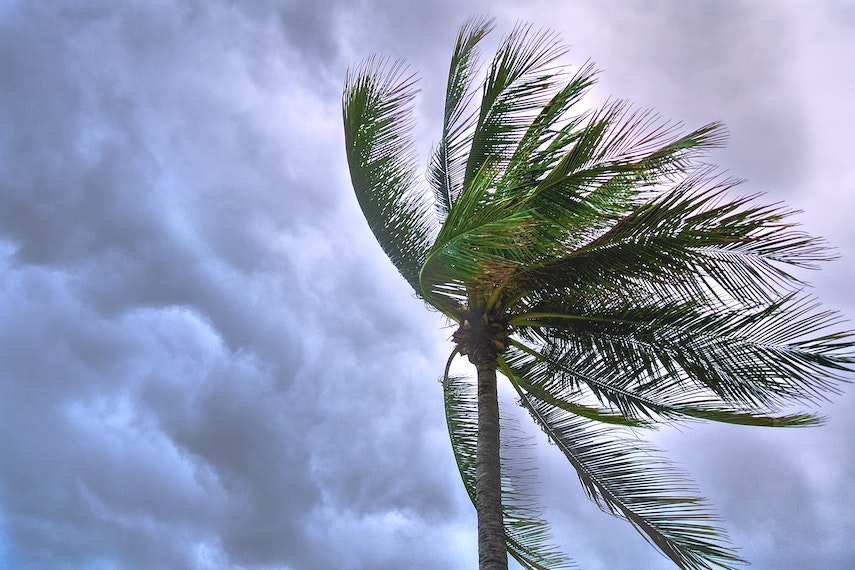
As climate change continues to drive severe weather events, the costs of recovery are going up. Rebuilding and repair, lost time and productivity, and supply chain shortages are just some of the impacts on business after a major climate event. To mitigate these risks, consumers and businesses alike turn to the insurance sector to protect their most valuable assets. However, there is growing evidence that we are approaching a future where insurance policies can’t or won’t cover the damages. A recent report from Ortec Finance finds that increased physical risks are culminating in an insurability crisis, one that we may see unfold over the next few decades:

“Under two of Ortec Finance’s latest higher warming scenarios, nearly 30% of the US population will be living in a state where the median household is unable to afford insurance by 2050, rising to 50% by 2080. Insurers have already started withdrawing cover from high-risk areas such as California and Florida in the US as well as Australia.”

We’ve seen others raise similar concerns in the past, and insurance companies have pulled out of some areas entirely. For businesses, real thought needs to go into any future expansion. Especially for facilities expected to perform for the long term. Reviewing existing floodplains and wildfire risks may not be sufficient. Many risk management tools, like FEMA’s flood maps, are built on 100 years of historical weather patterns. With climate change worsening, areas that were safe 100 years ago may be in danger today, and an insurable asset today may not be insurable 5 to 10 years down the line.

Our members can find more information on climate risk management here.

Interested in a membership with access to the complete range of benefits and resources? Sign up now and take advantage of our no-risk “100-Day Promise” – during the first 100 days as an activated member, you may cancel for any reason and receive a full refund. But it will probably pay for itself before then. Members also save hours of research and reading time each week by using our filtered and curated library of ESG/sustainability resources covering over 100 sustainability subject areas – updated daily with practical and credible information.

Practical Guidance for Companies, Curated for Clarity.

Back to all blogs

The Editor

Zachary Barlow is a licensed attorney. He earned his JD from the University of Mississippi and has a bachelor’s in Public Policy Leadership. He practiced law at a mid-size firm and handled a wide variety of cases. During this time he assisted in overseeing compliance of a public entity and litigated contract disputes, gaining experience both in and outside of the courtroom. Zachary currently assists the PracticalESG.com editorial team by providing research and creating content on a spectrum of ESG… View Profile