






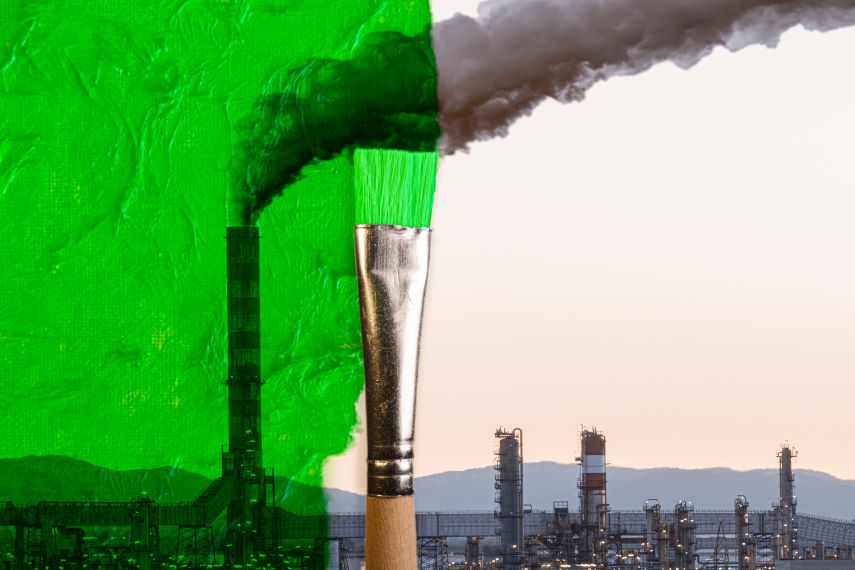
Solid sustainability programs can help companies promote their brand image and build trust with customers. This is why marketing departments love sustainability, it gives products and companies a way to distinguish themselves from the crowd and builds goodwill among their consumer base. However, this goodwill is fickle and can be lost in an instant. When companies are caught greenwashing, they don’t just risk legal action, but their reputation.
Take a recent example from Australia. There, the Australian Competition & Consumer Commission (ACCC) is suing a fast food chain for allegedly misleading consumers. The restaurant ran a sustainability promotion, promising to donate $1 to tree planting for every burger purchased on Tuesdays. However, the ACCC argues that numerous caveats made this program misleading. A press release from the ACCC lists all the necessary conditions a purchase had to meet to qualify for the donation:
- “the purchase had to be made on a Tuesday,
- the purchase had to be of a ‘main item’ (being a burger or a salad),
- the buyer had to be a member of Grill’d’s Relish loyalty program,
- the purchase had to be dine-in only and not takeaway, online order, or delivery,
- dine-in orders had to be placed at the front counter (orders made via QR code at a table did not qualify),
- the buyer had to scan their loyalty program bar code at the counter when ordering, and
- the purchase could not be made in conjunction with any other offer.”
Ultimately, over the life of the promotion, the chain sold five million burgers. However, instead of donating five million dollars, only about 4% of purchases qualified for the donation. Here, the restaurant chain was attempting to have its cake (or in this case, burger) and eat it too. Benefiting from sustainability claims, without doing the work or expending the resources. While the promotion might have brought traffic into their restaurants, the caveats make it feel cynical, misleading, and exploitative. In the internet age, consumers are the most savvy they’ve ever been. Once squandered, goodwill is difficult to get back. Ultimately, greenwashing may leave the fast food chain in a worse position than if it had done nothing at all. In this way, greenwashing can turn sustainability into a liability.
Our members can learn more about greenwashing here.
Interested in a membership with access to the complete range of benefits and resources? Sign up now and take advantage of our no-risk “100-Day Promise” – during the first 100 days as an activated member, you may cancel for any reason and receive a full refund. But it will probably pay for itself before then. Members also save hours of research and reading time each week by using our filtered and curated library of ESG/sustainability resources covering over 100 sustainability subject areas – updated daily with practical and credible information.
Practical Guidance for Companies, Curated for Clarity.