





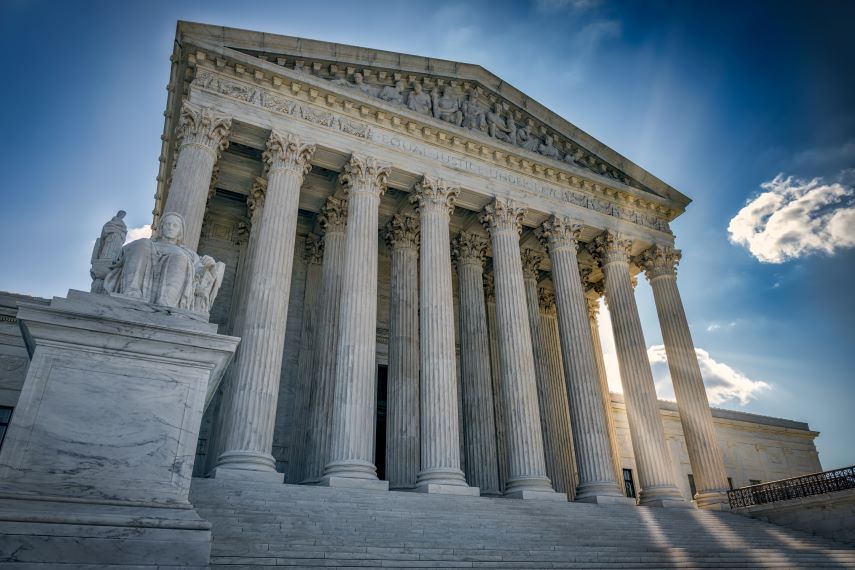
Last week, the Supreme Court released its oral argument schedule for October 2026. At the top of its docket is Suncor Energy v. Commissioners of Boulder County. This highly anticipated climate preemption case will decide the future of state-led climate tort suits. SCOTUSblog writes of the case:
“The Supreme Court will kick off its 2026-27 term with oral arguments in a lawsuit brought by a Colorado county seeking millions of dollars from oil and gas companies for their alleged role in exacerbating climate change. The calendar for the justices’ October argument session, released on Tuesday afternoon, indicates that Suncor Energy (U.S.A.) v. Commissioners of Boulder County will be the first case argued on Monday, Oct. 5 – the first Monday in October and the official start of the court’s new term.”
The main issue at play is preemption. Under the federalism model, state laws cannot contradict federal law. The question is whether tort law cases seeking damages against energy companies for their role in creating climate disasters contradict federal energy policy. The federal government has intervened on the side of Suncor, arguing that the city of Boulder cannot settle national policy questions. Boulder, on the other hand, argues that this is strictly a state issue. The city alleges that the actions of Suncor injured the city and its population and that the courts ought to redress this injury. A decision in favor of Suncor would massively expand the federal government’s preemption powers. If the ability to sue for damages is treated as a valid proxy for regulation and policymaking, then any number of industries could seek protection from tort suits under similar theories.
Our members can learn more about ESG litigation here.
If you’re not already a member, sign up now and take advantage of our no-risk “100-Day Promise” – during the first 100 days as an activated member, you may cancel for any reason and receive a full refund. But it will probably pay for itself before then. Members also save hours of research and reading time each week by using our filtered and curated library of ESG/sustainability resources covering over 100 sustainability subject areas – updated daily with practical and credible information.
Practical Guidance for Companies, Curated for Clarity.