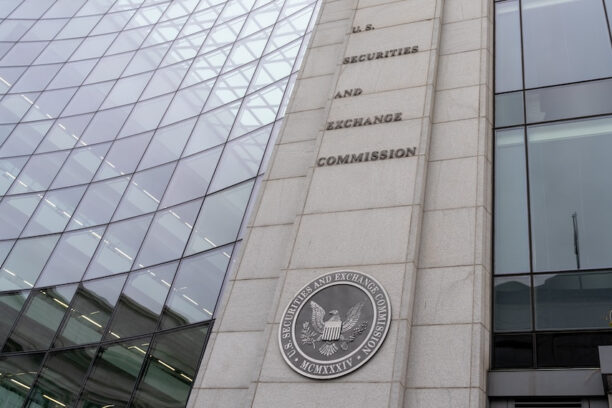






ISS and Glass Lewis are the world’s two largest proxy advisory firms. Recently, these firms have clashed with the federal and state governments over ESG and DEI-related voting recommendations. In addition to various state laws and lawsuits looking to curtail the influence of these advisory firms, the President also issued an Executive Order last year directing federal agencies to scrutinize and investigate the firms. Now congressional Republicans want an update. In a recent letter to the FTC and DOJ, congressional Republicans seek the following information:
- “Please describe the investigative actions the FTC and DOJ have undertaken since the issuance of Executive Order 14366 with respect to ISS and Glass Lewis, including any communications with Texas Attorney General Ken Paxton.
- ISS and Glass Lewis each generate substantial revenue by simultaneously providing ESG consulting services to the same companies whose shareholder votes they advise on. Has the FTC examined whether this structural conflict of interest has been adequately disclosed to institutional investor clients, and whether it constitutes an unfair or deceptive practice?
- Given that ISS and Glass Lewis have filed legal challenges against Texas Senate Bill 2337 – which requires proxy advisors to make public disclosures whenever their voting recommendations for Texas companies are based on non-financial factors, including ESG and DEI considerations – does either agency view that litigation posture as necessary to disclose to clients before opposing Exxon’s legal domicile from New Jersey to Texas?
- ISS and Glass Lewis have each opposed eight Texas redomicile proposals brought to a shareholder vote – regardless of the company’s specific business model, industry, risk profile, or the stated business rationale. Has the DOJ analyzed whether this uniform pattern of opposition, across two firms controlling over 90 percent of the market, constitutes evidence of coordinated anticompetitive activity? If yes, what were the findings?”
Despite an FTC probe into potential anticompetitive conduct, no enforcement against the proxy advisors has materialized. The questions posed in the letter to the FTC and DOJ are suggestions as much as they are inquiries. Anti-ESG is struggling to win legal fights against proxy advisors at the state level. Proxy advisory laws targeting the firms have been enjoined in Texas and Kansas. Despite the ongoing state litigation, congressional Republicans hope that federal agencies can bring more firepower to their legal crusade.
Our members can learn more about ESG litigation here.
If you’re not already a member, sign up now and take advantage of our no-risk “100-Day Promise” – during the first 100 days as an activated member, you may cancel for any reason and receive a full refund. But it will probably pay for itself before then. Members also save hours of research and reading time each week by using our filtered and curated library of ESG/sustainability resources covering over 100 sustainability subject areas – updated daily with practical and credible information.
Practical Guidance for Companies, Curated for Clarity.